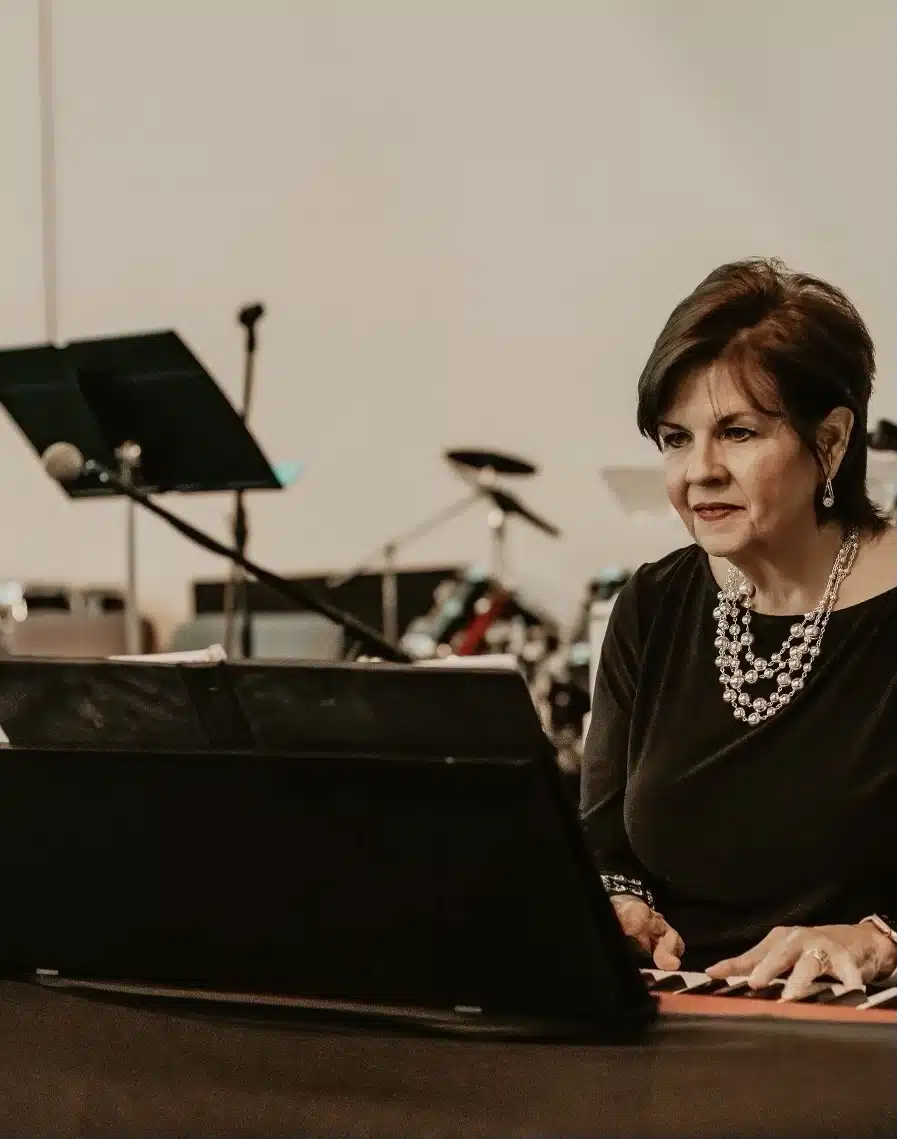
TL;DR Live piano does something in a worship service that recorded music cannot. It responds to the room, supports the flow of the service, and draws a congregation together. This guide explores the specific ways a pianist shapes the worship experience.
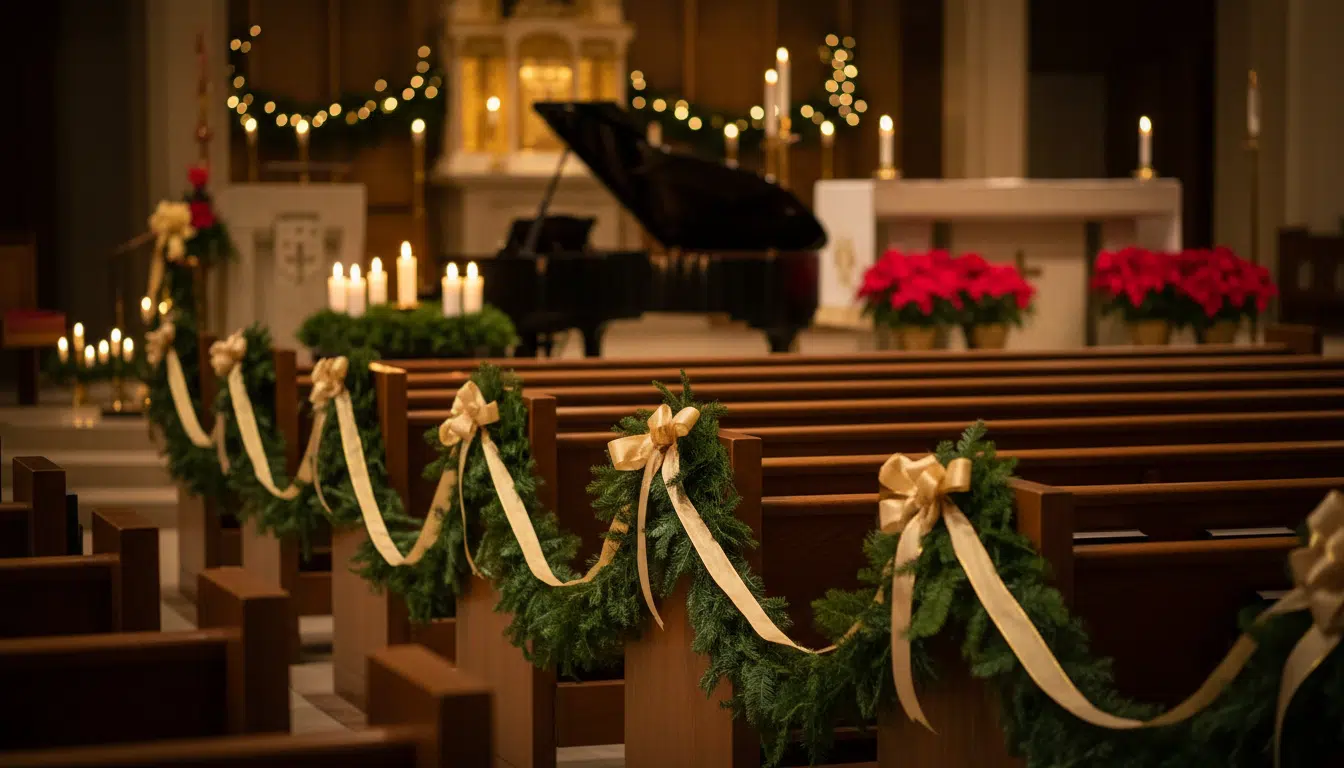
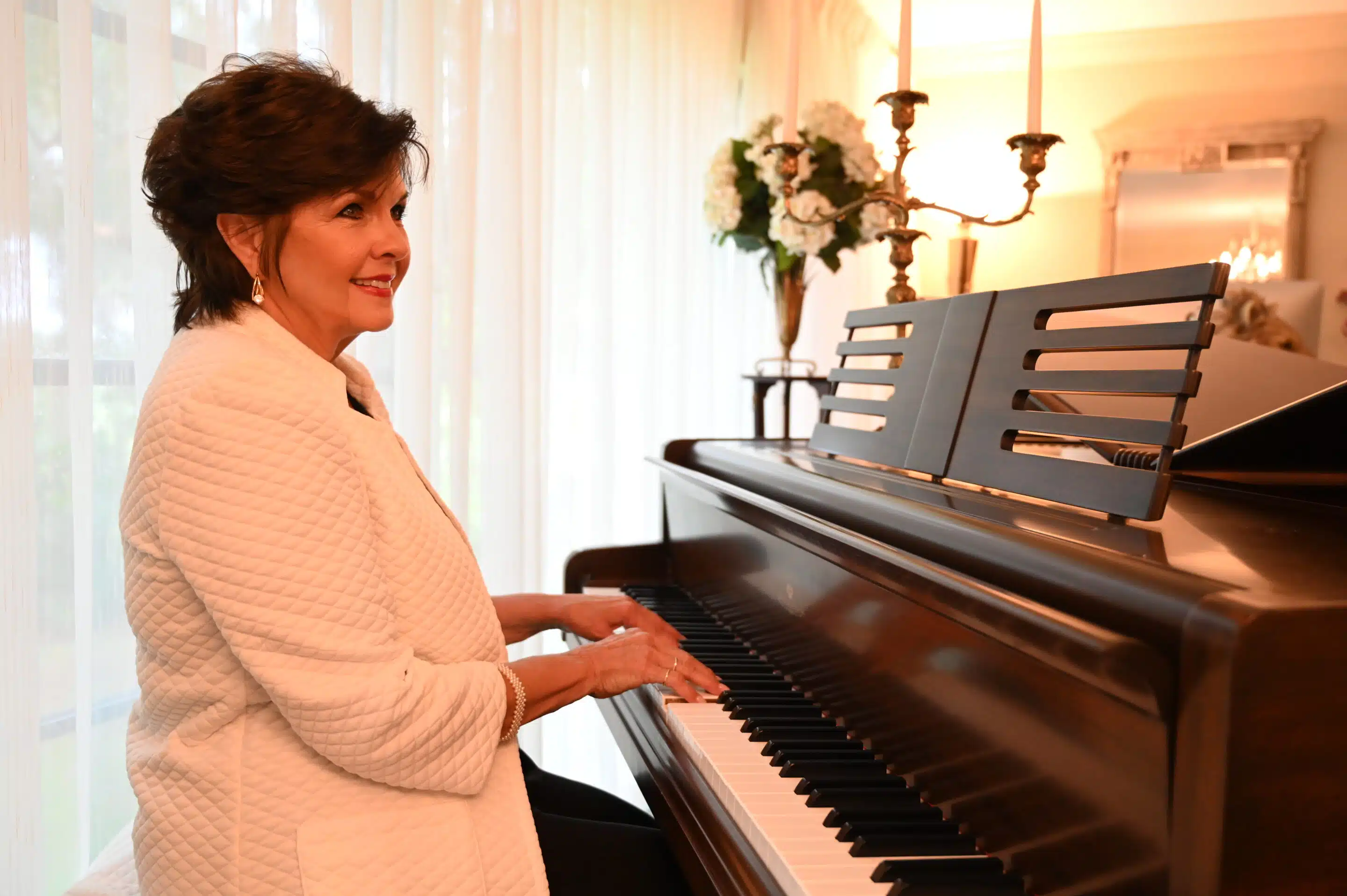
Walk into a church where a pianist is playing softly as people find their seats. Before anyone speaks, before the service officially begins, something is already happening.
The room is settling. People are shifting from the noise of their week into something quieter. The music is not demanding attention. It is creating space.
That is what live piano does in a worship service. It shapes the atmosphere before the first word is spoken and carries the congregation through every moment that follows.
Here in the Tampa Bay area, churches of every size and tradition use live piano as a foundation for worship. From small chapels in Largo to larger congregations in Clearwater and St. Petersburg, the piano remains one of the most versatile and powerful instruments in a church setting.
This guide explores the specific ways live piano transforms a service and why it matters more than many churches realize.
The Problem: When Music Feels Disconnected from Worship
Some churches rely on recorded tracks or background music played through a sound system. That approach works in a practical sense. The music plays. The service moves forward.
But something is missing.
Recorded music cannot respond to what is happening in the room. It cannot slow down when a prayer goes longer than planned. It cannot build when the congregation is singing with energy. It cannot soften when the pastor pauses for a moment of reflection.
The result is a worship experience that feels slightly disconnected. The music is present, but it is not participating.
For pastors and worship leaders, this gap can be hard to name. The service runs fine. But it does not flow the way it could.
That flow is what a live pianist brings.
How a Pianist Shapes the Worship Experience
Setting the Tone Before the Service Begins
The prelude is one of the most underrated moments in a worship service. It is the bridge between the outside world and the sanctuary.
A pianist playing softly as people arrive does more than fill silence. They signal that something meaningful is about to happen. The music invites people to slow down, settle in, and prepare their hearts.
This matters especially on Sunday mornings when people walk in carrying the weight of their week. The right prelude creates a gentle transition into worship.
Leading Congregational Singing
When a congregation sings together, the pianist sets the foundation. They establish the key, set the tempo, and hold the rhythm steady.
This is especially important for hymns and songs that the congregation sings without a full band. The piano gives people something solid to follow. It supports weaker singers and gives confident voices room to lead.
A skilled church pianist also knows how to adjust energy between verses. They can build momentum as a hymn progresses or pull back for a quieter final verse. That dynamic shaping is something a recording cannot do.
Supporting Prayers and Spoken Word
Some of the most powerful moments in a church service happen during prayer, scripture readings, or pastoral reflections. These moments often benefit from soft, unobtrusive music underneath.
A live pianist can play gently under a spoken prayer without competing with the words. They can match the emotional tone of what is being said. If the prayer shifts from confession to gratitude, the music shifts with it.
This kind of responsiveness requires a pianist who is listening, not just playing. It is a skill that comes from experience in worship settings.
Filling Transitions
Every service has transitions. The moment between the welcome and the first song. The shift from the sermon to the offering. The pause before the closing hymn.
Without music, these transitions can feel awkward. People shuffle. The energy drops. The flow of the service breaks.
A pianist fills those gaps naturally. A few bars of music between moments keeps the service connected and moving. It may seem like a small thing, but it changes the entire feel of the room.
Carrying Altar Calls and Moments of Response
Altar calls, invitations, and times of personal response are some of the most spiritually significant moments in a service. They are also some of the most sensitive.
A pianist playing softly during these moments creates a safe space for people to respond. The music provides a gentle backdrop that encourages reflection without pressure.
This requires real sensitivity. The pianist needs to read the room, follow the pastor's lead, and adjust moment by moment. Playing too loudly pulls focus. Playing too softly loses the thread. The right balance comes from experience.
Elevating Special Moments
Communion. Baptisms. Baby dedications. Memorial services. These are the moments that mark the life of a congregation.
Live piano elevates each of these. A hymn played during communion feels different when it is live. A gentle melody during a baptism adds weight to the moment. These are not performances. They are acts of service through music.
Live Piano vs. Recorded Music: A Honest Comparison
Recorded music has its place. It is consistent, affordable, and always available. For churches without access to a live musician, it is a reasonable option.
But here is what recorded music cannot do.
- It cannot adjust tempo or volume based on what is happening in the room
- It cannot extend a song when a moment needs more time
- It cannot soften under a prayer or build during a powerful hymn
- It cannot fill an unplanned gap when the order of service changes
- It cannot connect emotionally with the congregation in real time
Live piano does all of those things. That is the difference between music that plays during a service and music that participates in it.
Expert Insight: What 25 Years of Church Music Has Shown Me
The thing I have come to understand most deeply after serving churches across the Tampa Bay area is this. The piano is not the point.
Worship is the point. The congregation is the point. The message is the point.
The piano is a tool that serves all of those things. When it is played with skill and sensitivity, it becomes almost invisible. People do not think about the music. They just feel it.
That is the goal every Sunday. Not to be noticed, but to be present. To support the pastor, carry the congregation, and create space for something meaningful to happen.
The best services I have been part of are ones where the music and the message felt like one thing. Completely inseparable.
Live piano transforms a church service by doing what recorded music cannot. It responds. It adapts. It connects.
It sets the tone before the first word is spoken. It carries the congregation through songs, prayers, and moments of response. And it fills the spaces between with music that keeps the service whole.
If your church relies on recordings or goes without music, a live pianist may change more than you expect.
Quick Answers
Q: Why does live piano matter if we already have a good sound system?
A: A sound system plays back a fixed recording. A live pianist reads the room and adjusts in real time. They can soften during a prayer, build energy during a hymn, or extend a moment when the Spirit is moving.
Q: Can a pianist support both traditional and contemporary worship?
A: Yes. An experienced church pianist can play hymns from the hymnal and accompany a praise team. They can move between styles within the same service. Versatility is one of the most valuable qualities a church pianist brings.
Q: What does a pianist do during the parts of the service that are not singing?
A: A skilled pianist fills transitions, plays softly under prayers and spoken word, provides offertory music, and supports altar calls. They keep the service connected from one moment to the next.
Q: Is live piano only for larger churches?
A: Not at all. Live piano often makes the biggest difference in smaller congregations. In an intimate setting, a single piano can fill the room with warmth without overwhelming it.
Ready to Explore What Live Piano Could Do for Your Church?
If your church in the Tampa Bay area is considering live piano for worship services, reach out to start a conversation. Every church is different, and the best way to find the right fit is to talk about your needs.
You can explore church music services and pricing here. For a guide on finding the right pianist, read our post on what to look for when hiring a church pianist. Visit the Music By Melody homepage or learn more about Melody's background.
Key Takeaways
- Live piano sets the tone for worship before the service even begins through the prelude
- A pianist leads congregational singing by setting the key, tempo, and energy for each song
- Soft piano under prayers and spoken word adds emotional depth without competing for attention
- Transitions between service elements feel smoother and more connected with live music
- Altar calls and moments of response benefit from a pianist who reads the room with sensitivity
- Recorded music is consistent but cannot respond to what is happening in real time
- The goal of a church pianist is not to perform but to serve the worship experience
- Live piano makes the biggest impact when it feels present but invisible