TL;DR - Finding the right church pianist is about more than musical skill. It takes someone who understands worship, reads the room, and supports the spiritual flow of a service. This guide covers what to look for, what to ask, and how to find the right fit for your church.
Every church has its own sound. Some lean traditional with hymns and a choir. Others blend contemporary worship with a praise band. Some move between both depending on the service.
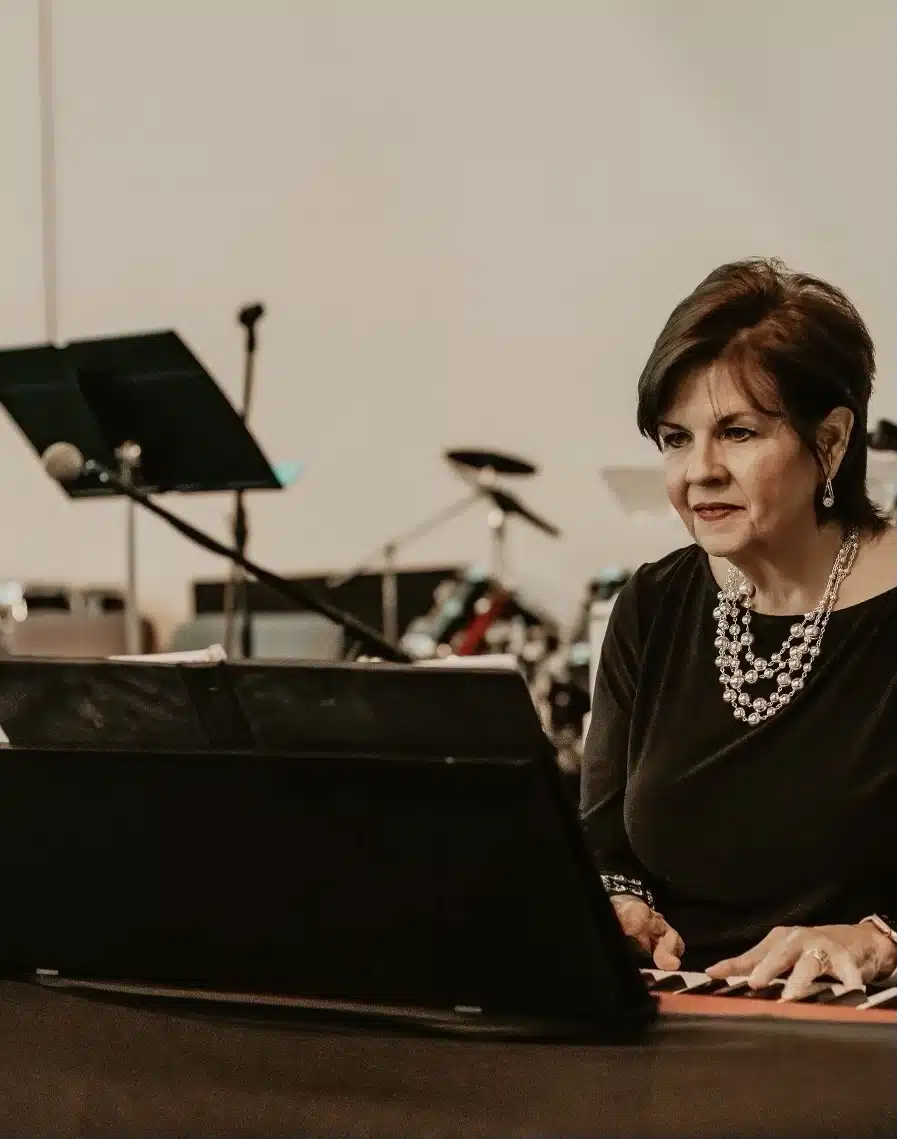
Whatever your style, the pianist plays a central role. They set the tone before the first word is spoken. They carry the congregation through songs, support soloists and choirs, and fill the quiet moments that hold a service together.
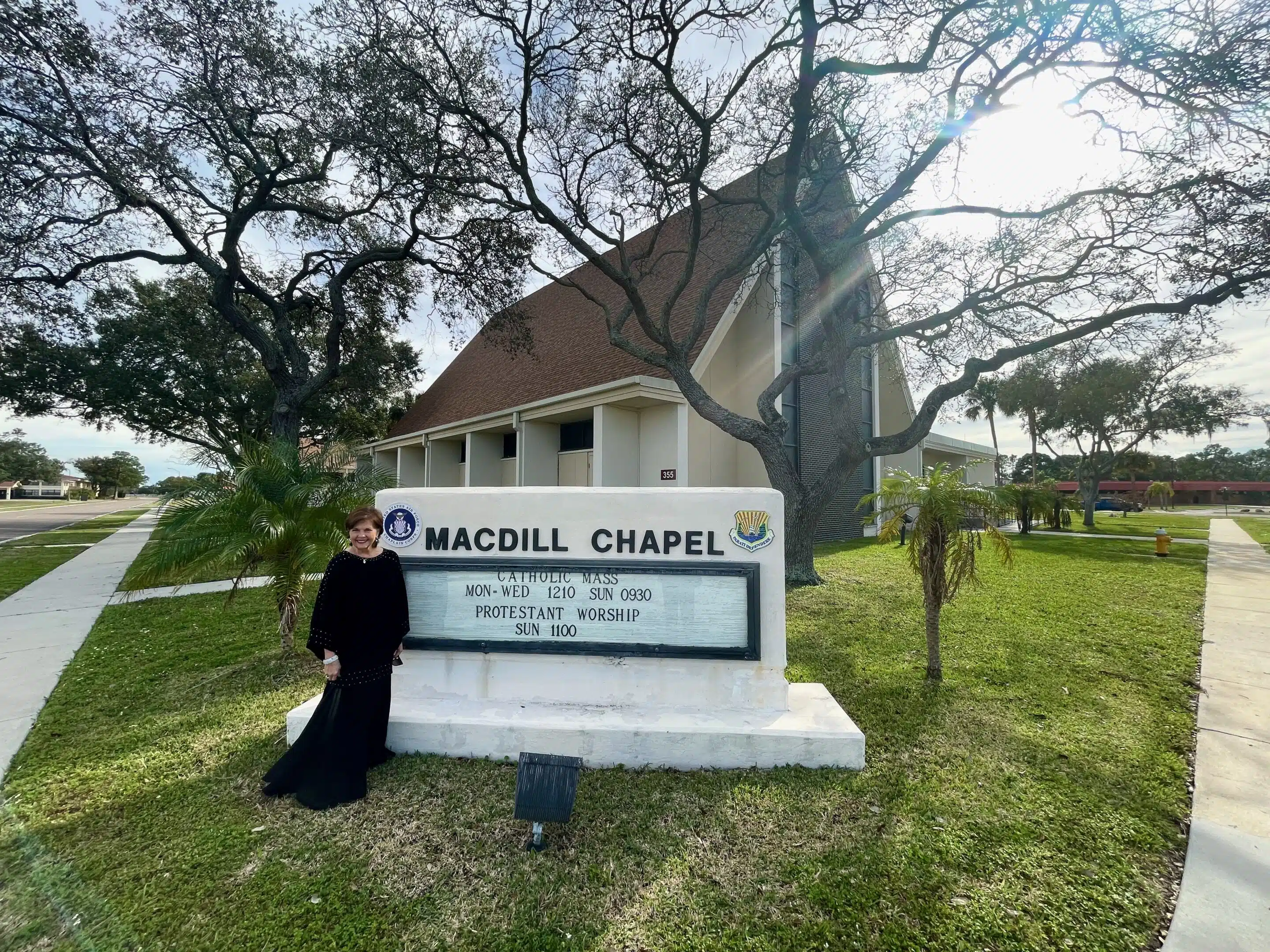
Finding the right person for that role is not always easy. That is especially true here in Tampa Bay. Churches range from small chapels in Largo to large congregations in Clearwater and St. Petersburg.
This guide comes from over 25 years of experience serving congregations across this region. It is here to help pastors, worship leaders, and music directors make a confident choice.
The Real Challenge Churches Face
Most churches do not have a formal hiring process for musicians. When a pianist leaves or retires, the search often starts with word of mouth and a sense of urgency.
The external problem is simple. You need someone who can play piano for your services.
The deeper challenge is finding someone who fits. Someone who understands your worship style and respects your traditions. Someone whose playing supports the service rather than distracts from it.
The fear many pastors and worship leaders carry is making the wrong choice. Bringing in someone who is technically skilled but spiritually disconnected from worship. Or someone who is willing but not ready for the demands of a live service.
That tension is real. And it is worth taking seriously before you make a decision.
What Makes a Church Pianist Different
A church pianist is not the same as a concert pianist, a jazz musician, or a wedding performer. The role requires a specific set of skills that go beyond playing the right notes at the right time.
Spiritual Sensitivity
This is the quality that matters most and is hardest to evaluate on paper. A church pianist needs to understand that their role is to serve the worship experience, not to perform.
That means knowing when to play boldly and when to pull back. It means reading the room during an altar call or a moment of prayer. It means following the lead of the pastor or worship leader, even when the plan changes mid-service.
Versatility Across Worship Styles
Churches are not one-size-fits-all. A pianist who only plays classical hymns may struggle in a contemporary setting. A pianist who only knows modern worship may not be the right fit for a traditional service.
The best church pianists can move between styles. They can accompany a hymn from the hymnal and support a praise team. They can play under a spoken prayer and transition into an offertory without missing a beat.
Ask about their experience with your specific worship style. If your church blends traditional and contemporary, make sure they are comfortable in both.
Sight-Reading and Adaptability
Things change during a live service. The pastor may extend an invitation. The worship leader may call an audible on the next song. A soloist may shift keys or tempo.
A strong church pianist handles all of that without hesitation. Sight-reading, the ability to play unfamiliar music on short notice, is essential. So is the ability to improvise and fill musical gaps when needed.
Choir and Ensemble Support
If your church has a choir or praise band, the pianist needs to work as part of a team. That means listening carefully, matching dynamics, and supporting other musicians rather than overpowering them.
A pianist with choir and ensemble experience will integrate much more smoothly than someone who has only played solo.
How to Evaluate a Church Pianist
Step 1: Define What You Need
Before you start looking, get clear on the basics.
- Do you need someone every Sunday or just for special occasions?
- What style of worship does your church follow?
- Will the pianist need to accompany a choir, praise band, or soloists?
- How much rehearsal time is involved each week?
- Are there seasonal programs like Advent, Christmas, or Easter that require extra preparation?
Writing this down gives you a clear picture to share with candidates. It also helps you compare options fairly.
Step 2: Ask the Right Questions
Here are questions that reveal more than a resume can.
- How long have you served as a church pianist?
- What denominations or worship styles have you worked with?
- Can you accompany a choir or vocal ensemble?
- How do you handle changes during a live service?
- Are you comfortable with both hymns and contemporary worship music?
- What is your approach to rehearsal and preparation?
- Can you provide references from a pastor or worship leader you have worked with?
- Are you available as a regular weekly pianist or as a substitute?
Step 3: Listen to Them Play in Context
If possible, invite the pianist to play during a rehearsal or a midweek service before committing. Hearing someone in your sanctuary, on your instrument, with your team tells you far more than a recording ever could.
Pay attention to how they interact with the worship leader and other musicians. Watch how they respond when something unplanned happens. That tells you more than technique alone.
When to Hire a Substitute vs. a Regular Pianist
Not every church needs a full-time or weekly pianist. Here are common situations where a substitute or contract pianist makes sense.
- Your regular pianist is on vacation or taking a leave of absence
- You are between permanent musicians and need someone to fill the gap
- You have a special event, holiday program, or guest speaker and want elevated music
- Your church is small and does not hold services every week
A professional church pianist who offers substitute services can step in with minimal lead time. The key is finding someone who learns your flow quickly and plays with confidence from day one.
What to Expect From a Professional Church Pianist
A professional church pianist brings more than musical talent. Here is what the right person should offer.
Preparation. They arrive having reviewed the music and prepared for the service. They do not wing it.
Punctuality. They show up early enough to set up, warm up, and coordinate with the worship team.
Flexibility. They adapt to changes in the order of service without drawing attention to the shift.
Humility. They understand that worship is not a performance. The goal is to support the congregation, not to showcase their own ability.
Communication. They check in with the pastor or worship leader ahead of time. They ask questions. They confirm details. They make the planning process easier, not harder.
Expert Insight: What 25 Years of Church Music Has Taught Me
The most important thing I have learned serving churches across the Tampa Bay area is that every congregation is different. What works beautifully in one church may feel out of place in another.
That is why I always start by listening. I want to understand your worship culture and traditions before I ever sit down at the keys.
A fellow musician once described it this way:
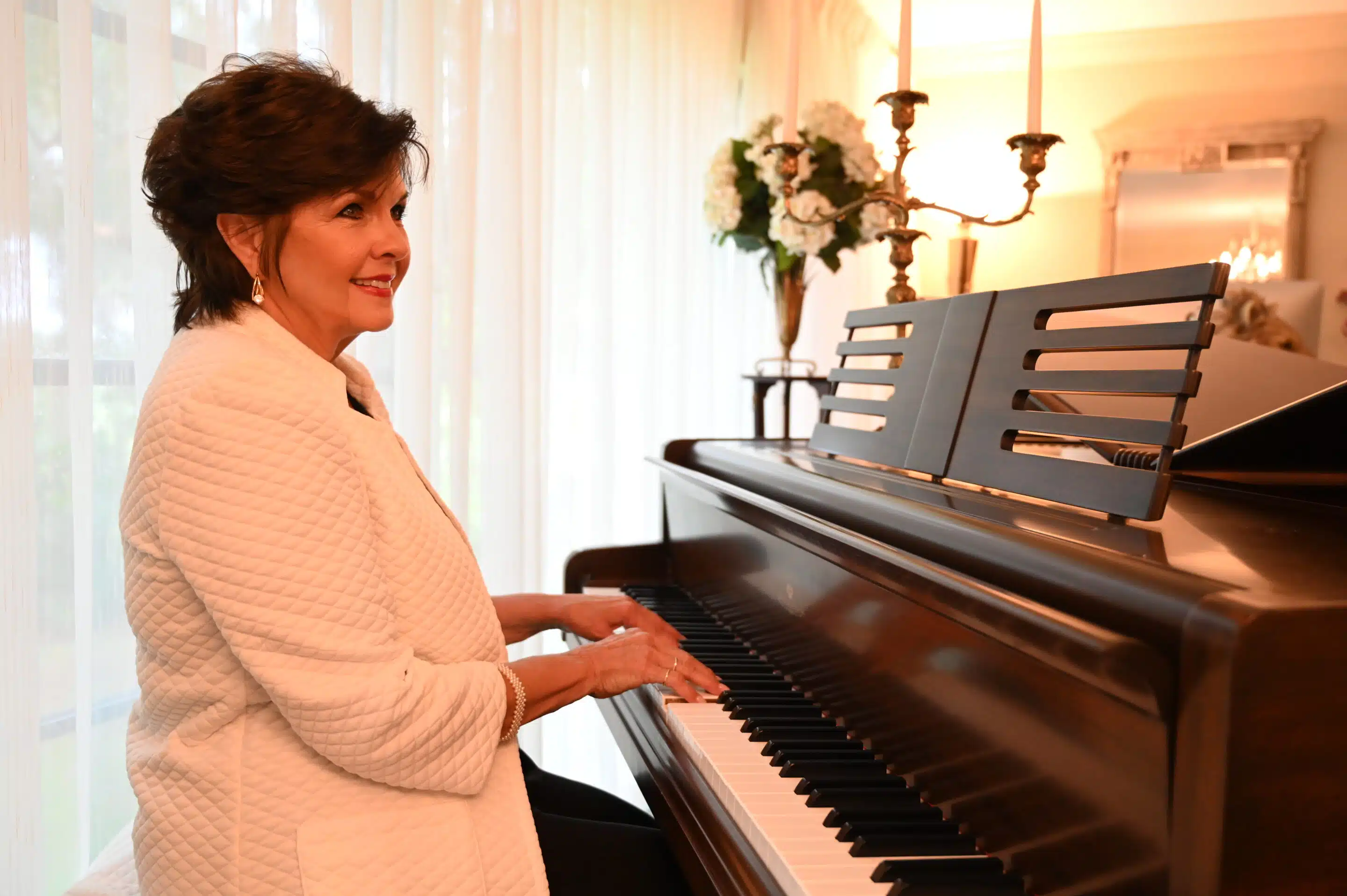
"Melody is much more than a pianist. She reads a room and creates the right ambiance for every moment."
That is the standard every church deserves. Someone who plays with skill, yes. But more importantly, someone who plays with purpose.
Hiring a church pianist is a decision that shapes the worship experience for your entire congregation. It deserves the same care and thought you would put into any other ministry role.
Look for someone with real church experience, not just piano skill. Ask about their worship background, their adaptability, and their approach to serving alongside your team. And trust your instincts about who understands the heart of what you are trying to do.
The right pianist will not just fill a seat at the piano. They will help carry the service.
Ready to Find the Right Fit for Your Church?
If your church in the Tampa Bay area needs an experienced pianist, reach out to start a conversation. A simple conversation about your needs is the best first step.
Learn more about Melody's church music experience and services here. You can also visit the Music By Melody homepage or read about her background on the About page.
Quick Answers
Q: What is the difference between a church pianist and a regular pianist?
A: A church pianist understands the rhythm of a worship service. They know when to lead, when to follow, and when to play softly under a prayer or spoken word. That spiritual awareness is something general performance experience does not teach.
Q: Should we hire a full-time pianist or use a substitute?
A: It depends on your church's schedule and budget. Some churches need someone every Sunday. Others need a reliable substitute for holidays, vacations, or staff transitions. Both are valid, and many pianists offer either arrangement.
Q: How do we find a church pianist in the Tampa Bay area?
A: Start by asking within your denomination's network. You can also reach out to professional pianists who specialize in church music. Look for someone with worship experience, not just piano skill.
Q: How much does it cost to hire a church pianist?
A: Pricing depends on the frequency, rehearsal time, and type of service. Most experienced church pianists offer custom quotes based on your specific needs.
Key Takeaways
- A church pianist needs spiritual sensitivity and worship experience, not just technical piano skill
- Define your needs clearly before you start looking, including worship style, schedule, and whether you need a regular or substitute pianist
- Ask candidates about their denomination experience, adaptability, and ability to work with choirs or worship teams
- Listen to them play in your actual worship setting if possible before making a commitment
- Professional church pianists should bring preparation, punctuality, flexibility, humility, and clear communication
- Substitute pianists can fill gaps during vacations, transitions, or special events without a long-term commitment
- Every church has its own sound, so the right fit is someone who listens first and adapts to your culture
- Pricing is typically customized based on frequency, rehearsal time, travel, and type of service